Signs you need it
- A pipe, joint or appliance hose spraying freely
- A floor drain in the basement pushing water up instead of taking it away
- A toilet that overflows again each time anything upstairs drains
- A water heater dribbling from its base or relief valve onto the floor
- No water anywhere in the house with no notice from the Region
- Ceiling drywall that has turned dark, soft or is bulging
While you wait for us
- Close the main valve. Our guide on shutting off the main water valve shows where it usually sits in Mississauga basements.
- Cut power to anything wet. Only if you can reach the panel while standing on a dry floor.
- Stop using drains if the trouble is a backup; every flush adds to the floor.
- Photograph the damage for your insurer before you start mopping.
How we do the work
Our first task on arrival is to make the house safe and dry: stop the flow, isolate the failed section and restore water to the rest of the home wherever possible. Only then do we set out the permanent remedy, in writing, so you can decide calmly rather than at two in the morning. A blocked main is cleared and, when the cause is unclear, looked at with a sewer camera inspection once the water has gone down.
Mississauga homes and this job
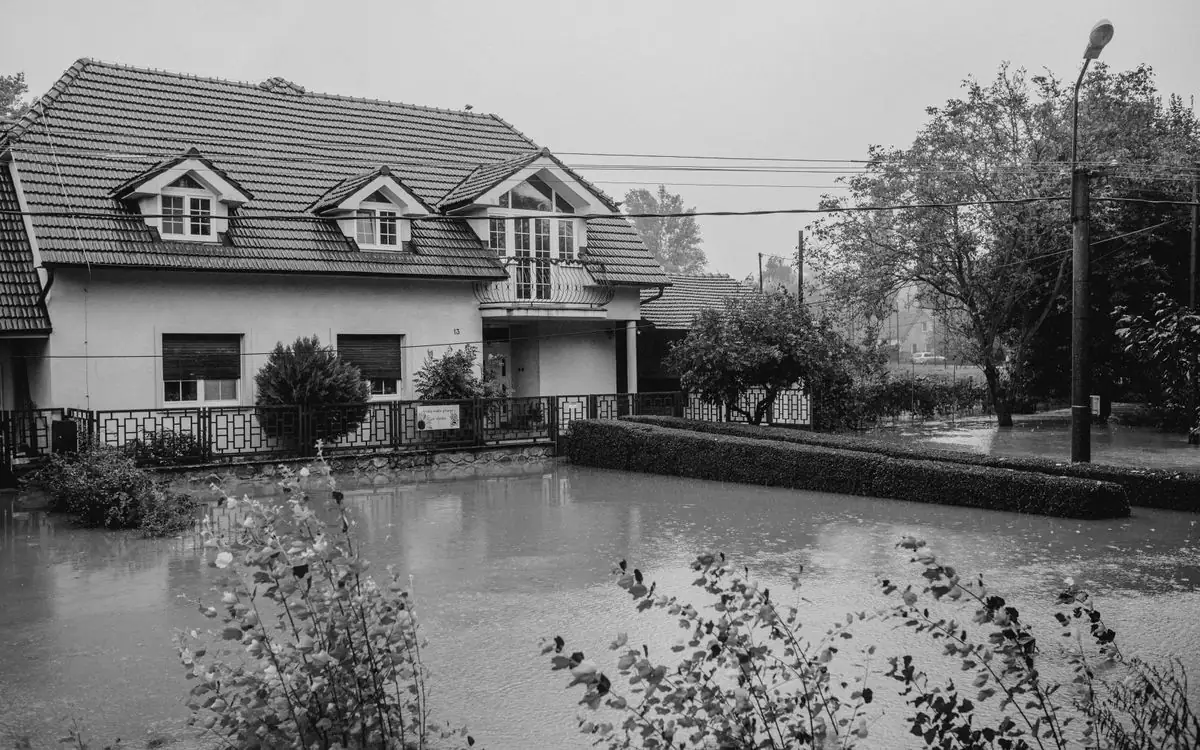
July downpours overwhelm the older sewer networks, while deep January cold cracks pipes in outer walls and unheated garages. Both arrive in clusters, so many neighbours phone on the same night. Describe exactly what you see and we can load the correct parts before leaving.
What affects the cost
- Time of day and how much isolation work is needed
- Whether drywall or flooring must be opened to reach the fault
- Parts carried on the truck versus parts sourced the next morning
- Follow-up work such as drain cleaning once the emergency is contained
The job, tool by tool
Tools on the truck for supply pipe and leak work
- Moisture meter and thermal camera
- Tracing a leak before opening a wall
- Copper cutters, torch, PEX crimp and press tools
- Cutting out and joining new pipe
- Repair couplings and ball valves
- Isolating and patching damaged runs
- Pressure gauge on a hose bib
- Reading static house pressure
On every job
- Drop cloths down before any tool comes out
- Water or fuel shut and tagged while we work
- Every joint we made checked dry before we pack up
- Old parts shown to you, then hauled away
A call-out, start to finish
- 1Call and describe the fixture, floor and symptom
- 2We arrive, lay drop cloths and shut the water where needed
- 3Trap pulled, line cabled or camera run to find the cause
- 4Fix explained, then cut, joined or replaced
- 5Water run through, joints checked, written note left
Answers our Mississauga crew gives most
Do you come out at night?
Call the number at any hour and describe the situation. We will tell you honestly how soon someone can be there.
Should I call my insurer first?
Stop the water first, then call. Insurers generally expect a homeowner to limit further damage promptly.
Can the permanent repair wait?
Often yes. A temporary isolation can hold safely for a day or two while you weigh the options.