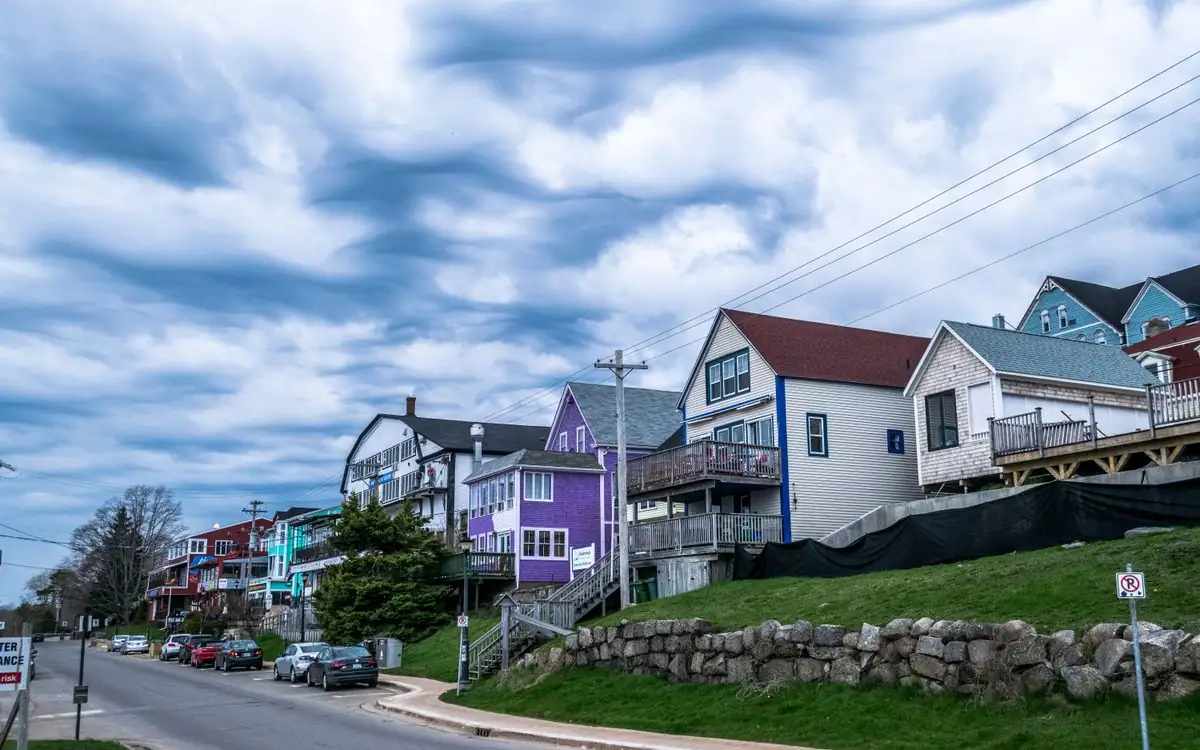
The housing record
Wide-lot split-levels, bungalows and backsplits fill the streets around Dixie Road, Bloor Street and Burnhamthorpe Road. The bulk went up between 1950 and 1970, drained by clay laterals and iron stacks and fed by copper or galvanized pipe. Many have been renovated inside over the decades.
Problems we see most
- Weeping tile connected to the sewer, adding to storm loads
- Root intrusion into clay laterals
- Split-level layouts where lower-level drains sit close to the sewer elevation
- Supply pressure limited by old galvanized pipes
Work commonly requested here
A survey under basement flood prevention is often the right starting point. Supply upgrades, valve replacements and fixture work follow. West of here, Erindale has homes of a similar era.
A local note
Applewood's mature trees, many planted in the original subdivision, are a large part of its appeal. They also explain the root problems many owners encounter in their laterals.
Landlords and basement units
A legal second unit downstairs puts a lot more water through the same old drain. If tenants report slow showers or a sewer smell, we cable and camera the line so you know whether it is a clog or a pipe fault.
A call-out, start to finish
- 1Call and describe the fixture, floor and symptom
- 2We arrive, lay drop cloths and shut the water where needed
- 3Trap pulled, line cabled or camera run to find the cause
- 4Fix explained, then cut, joined or replaced
- 5Water run through, joints checked, written note left
Answers our Mississauga crew gives most
Is my weeping tile connected to the sewer?
In many older homes it is. A camera inspection and a look at the basement drain can confirm.
Why is my lower level damp?
Grading, downspouts, groundwater or a failed foundation drain are common causes.
Can you replace galvanized pipes?
Yes, partially or with a full repipe.